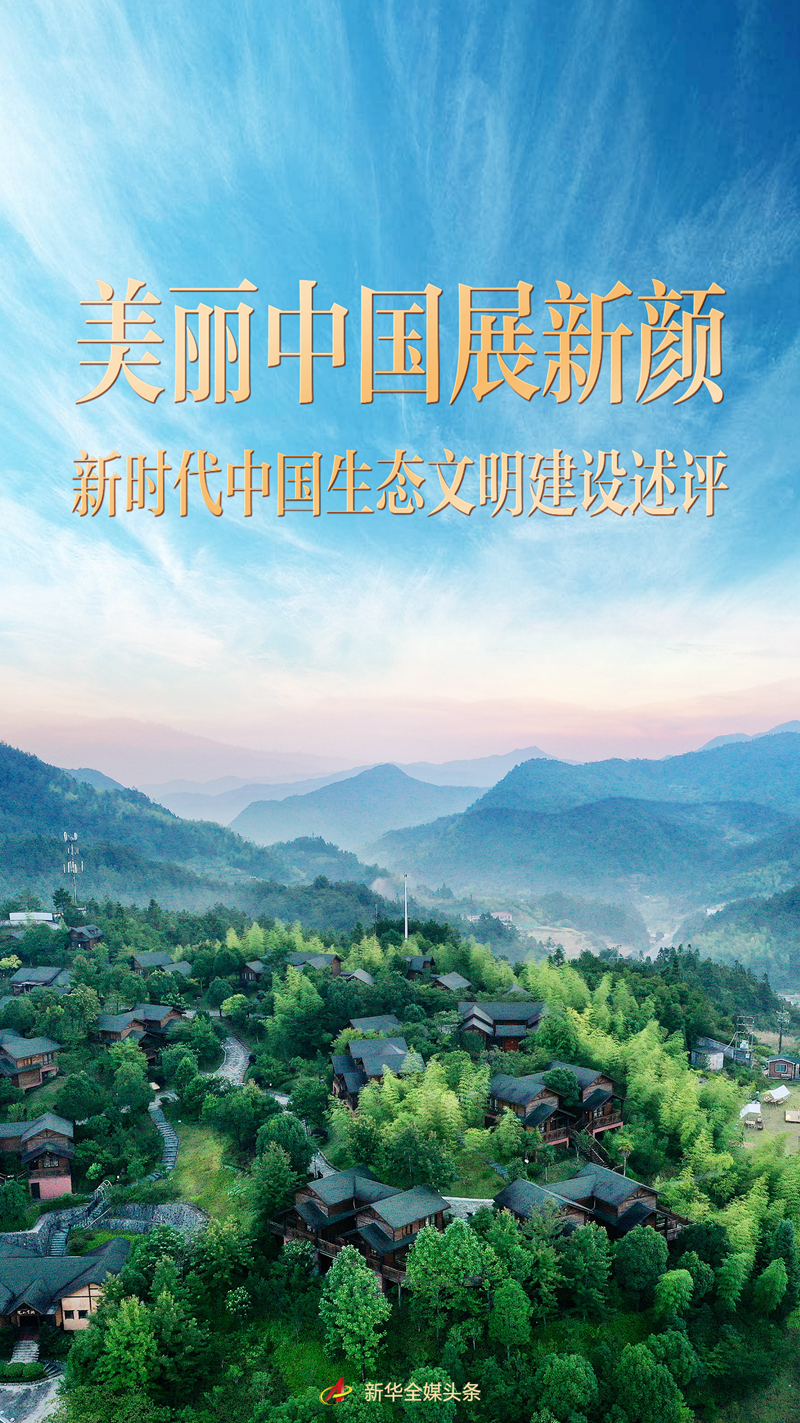
Xinhua News Agency, Beijing, September 12th Title: Beautiful China takes on a new look — — A Review of Ecological Civilization Construction in China in the New Era
Xinhua News Agency reporters Gao Jing, Hu Lu, Huang Yao
"The construction of ecological civilization is a fundamental plan related to the sustainable development of the Chinese nation. Protecting the ecological environment means protecting productive forces, and improving the ecological environment means developing productive forces. We will never exchange temporary economic growth at the expense of the environment."
Since the 18th National Congress of the Communist Party of China, the CPC Central Committee with the Supreme Leader as the core has made unprecedented efforts to build ecological civilization. The consciousness and initiative of the whole party and the whole country to promote green development have been significantly enhanced, and the construction of beautiful China has made great strides. The ecological environment protection in China has undergone historic, turning and overall changes.
The "green answer sheet" satisfies the people and attracts worldwide attention.
Baiyangdian Lake in summer is full of blue waves and red reeds. On the vast surface of the water, a group of lively and lovely ducklings followed their parents through the reeds. This means that the world’s critically endangered species, the blue-headed diving duck, has used Baiyangdian as a breeding ground.
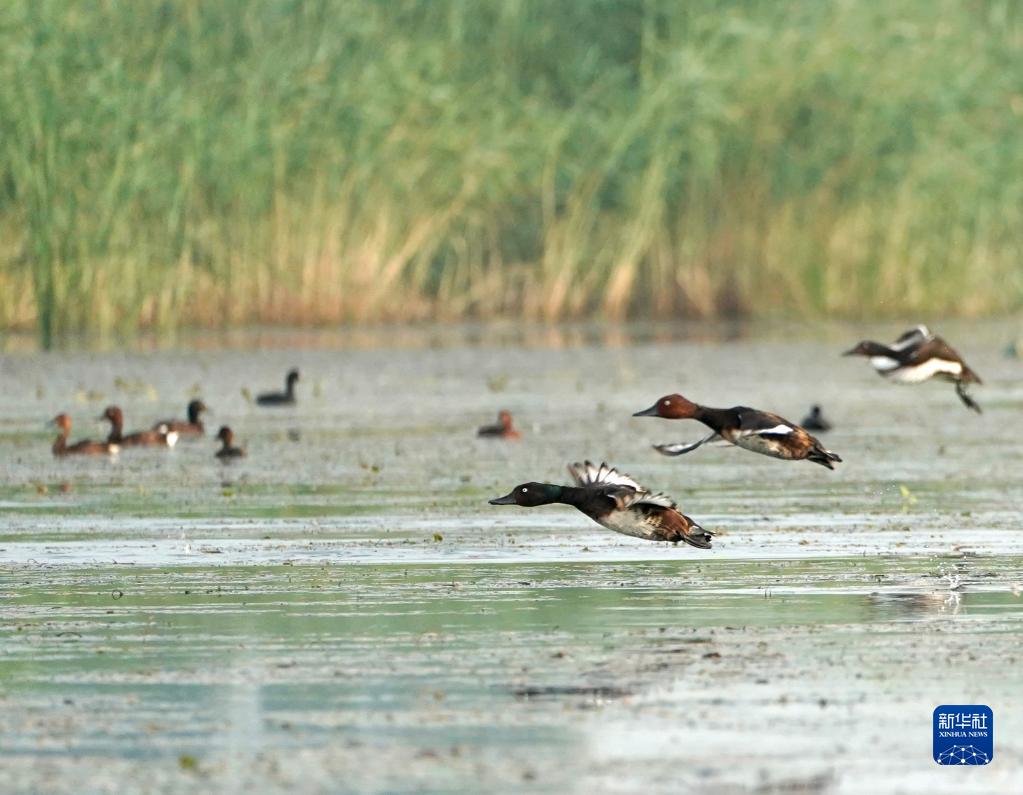
This is a mixed group of blue-headed diving ducks and white-eyed diving ducks shot in Baiyangdian District (photo taken on July 22, 2022). Xinhua News Agency reporter Xing Guangli photo
In recent years, through systematic management, the water quality of Baiyangdian Lake, the Pearl of North China, has been upgraded from worse than Grade V to Grade III, and it has entered the ranks of good lakes in China, with a significant increase in biodiversity and a phased goal of ecological environment management.
The ecological change of Baiyangdian Lake is a vivid microcosm of the achievements of China’s ecological civilization construction since the 18th National Congress of the Communist Party of China.
The wise change with time, and the wise make it with things.
Since the 18th National Congress of the Communist Party of China, the CPC Central Committee with the Supreme Leader as the core has stood at the height of the sustainable development of the Chinese nation, vigorously promoted theoretical innovation, practical innovation and institutional innovation of ecological civilization, creatively put forward a series of new ideas, new ideas and new strategies, and formed the Supreme Leader’s ecological civilization thought, which has provided a fundamental follow-up and action guide for China’s ecological civilization construction in the new era.
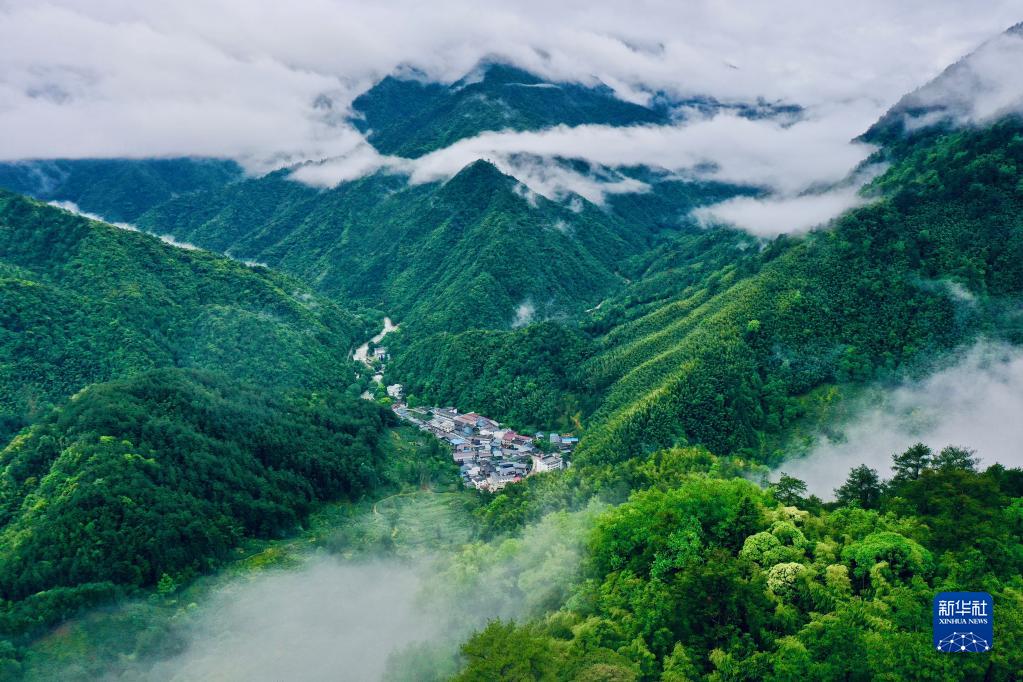
This is the landscape of Tongmu Village in the hinterland of Wuyishan National Park (photo taken on May 17, 2021, photo of drone). Xinhua News Agency reporter Jiang Kehong photo
The CPC Central Committee has made unprecedented efforts to build ecological civilization — — Incorporate the construction of ecological civilization into the overall layout of the "five in one" of Socialism with Chinese characteristics’s cause; "The idea of Lucid waters and lush mountains are invaluable assets must be established and practiced" was written into the report of the 19th Party Congress. "Enhance Lucid waters and lush mountains are invaluable assets’s consciousness" was written in party constitution; Ecological Civilization Written into the Constitution … …
General Secretary of the Supreme Leader profoundly pointed out: "From the long history, if our generation can leave something to future generations, I think the construction of ecological civilization is a very important aspect. The construction of ecological civilization can best bring people a sense of gain, the environment has improved, and the people have the deepest experience. "
On September 1st, 2022, in a booth in Shougang Park, more than 3,000 photos attracted people’s attention — —
Since 2013, Zou Yi, a Beijing resident, has insisted on shooting the sky in the same place every morning. In the February 2013 photo, gray tones occupy most of the frames. In February this year, the blue sky has become the most beautiful scenery in the photo.
In the past 10 years, the quality of China’s ecological environment has improved significantly, and the comprehensive green transformation of economic and social development has continuously achieved new results — —
The sky is bluer. Compared with 2015, in 2021, the average concentration of fine particles in cities at prefecture level and above decreased by 34.8%, and the proportion of days with good air quality increased to 87.5%.
The water is clearer. In 2021, the proportion of excellent surface water quality sections in China was 84.9%, an increase of 23.3 percentage points over 2012.
Home is more beautiful. The national forest coverage rate reached 24.02%, and the forest stock reached 19.493 billion cubic meters, and the forest area and forest stock kept "double growth" continuously.
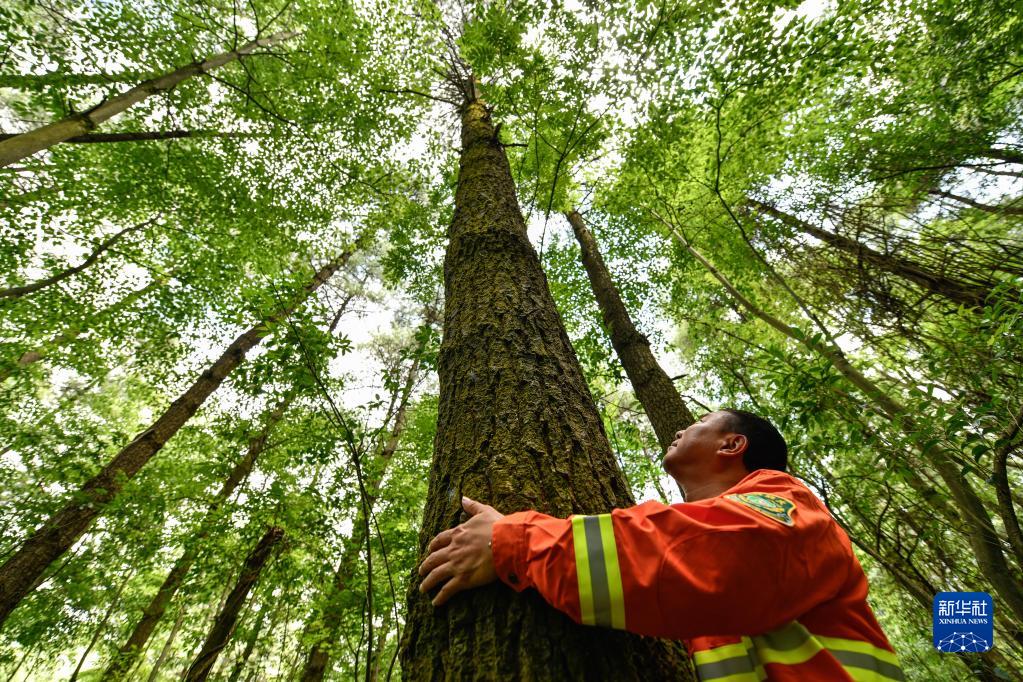
In Guiyang National Forest Park, Guo Jian, the village-level forest manager, measured the diameter of a tree by hand (photo taken on July 13th, 2022). Xinhua News Agency reporter Yang Wenbin photo
China has supported an average annual economic growth of 6.5% with an average annual energy consumption growth rate of 3%, and its energy consumption intensity has decreased by 26.2%, which is one of the countries with the fastest decrease in energy consumption intensity.
Nowadays, Lucid waters and lush mountains are invaluable assets’s idea has become the consensus and action of the whole party and society. While continuing to write the miracle of rapid economic development and long-term social stability, China has handed in a "green answer sheet" that satisfies the people and attracts worldwide attention.
Strengthen ecological environment protection in all directions, regions and the whole process.
A few years ago, Wujiang, the mother river of Guizhou, once sounded an ecological alarm. After years of treatment, the water quality of Wujiang River Basin will be "excellent" in 2021.
Enrichment of phosphate rock resources in Wujiang River Basin. It is difficult to control phosphorus in Wujiang River. In Guizhou, rigid measures have been taken to control the "three phosphorus" in phosphate rock, phosphorus chemical industry and phosphogypsum storage, and the problem of phosphorus pollution in Wujiang River has been fundamentally solved by implementing a package of pollution prevention measures.
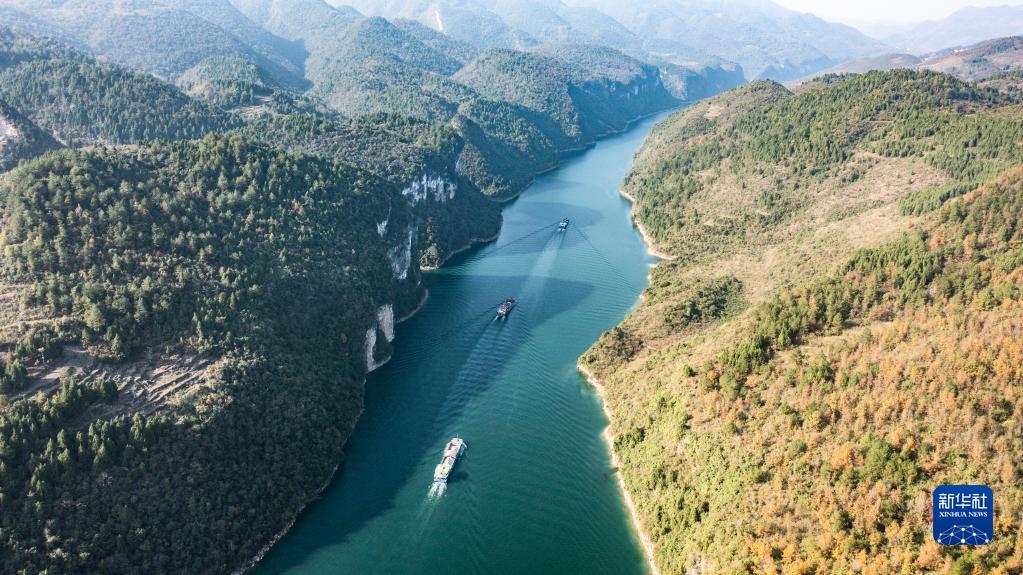
The cargo ship carrying phosphorus ore sailed downstream along the Wujiang waterway (photo taken on November 18, 2021, photo of drone). Xinhua News Agency reporter Tao Liang photo
A good ecological environment is the most inclusive welfare of people’s livelihood. Since the 18th National Congress of the Communist Party of China, Party leaders have made great efforts to win the battle against pollution — —
In order to return to the blue sky, nearly 1.03 billion kilowatts of coal-fired power units nationwide have achieved ultra-low emissions, and about 680 million tons of crude steel production capacity has been completed or is being implemented.
In order to protect the long flow of green water, 99,000 kilometers of sewage pipe networks have been built in various places, and the daily sewage treatment capacity has increased by 40.88 million tons.
In order to keep the birds singing and the flowers fragrant, about one third of the administrative villages have carried out in-depth environmental improvement, and agricultural production has realized the reduction of chemical fertilizers and pesticides and increased efficiency.
General Secretary of the Supreme Leader pointed out: "Protecting the ecological environment must rely on the system and the rule of law."
In the past 10 years, the system of ecological civilization system has become a reliable guarantee for the construction of ecological civilization — —
Many laws, such as the Law on Prevention and Control of Soil Pollution, the Law on Prevention and Control of Water Pollution and the Law on Protection of the Yangtze River, have been formulated and revised, and a system of laws and regulations covering various environmental factors has been basically established. Establish and improve a series of important systems such as ecological compensation system, river and lake length system, forest length system, environmental protection "party and government share responsibility" and "one post and two responsibilities", and the institutional system of ecological civilization will be more sound.
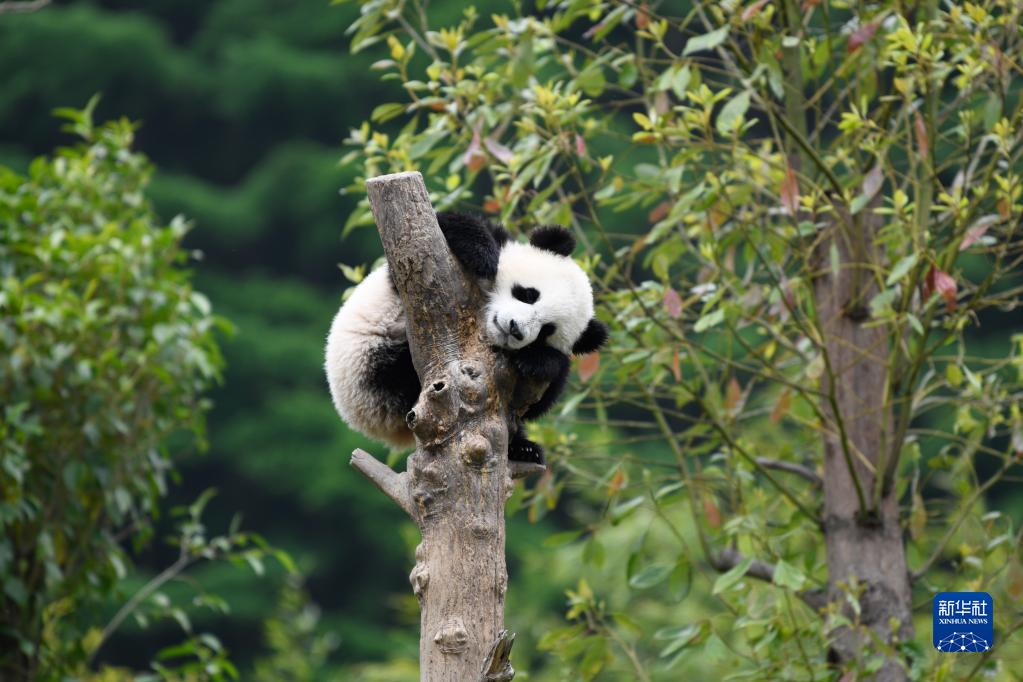
A giant panda rests in a tree in Shenshuping Base, Wolong, China Giant Panda Conservation and Research Center (photo taken on April 24, 2022). Xinhua News Agency reporter Yan Bingjie photo
The ecological environment needs to be protected, and the ecological alarm bell needs to ring. To protect the green mountains and green rivers, we must make the system a rigid constraint and an untouchable high-voltage line.
In early autumn, the Damaying grassland at the northern foot of Qilian Mountain is still green and full of vitality.
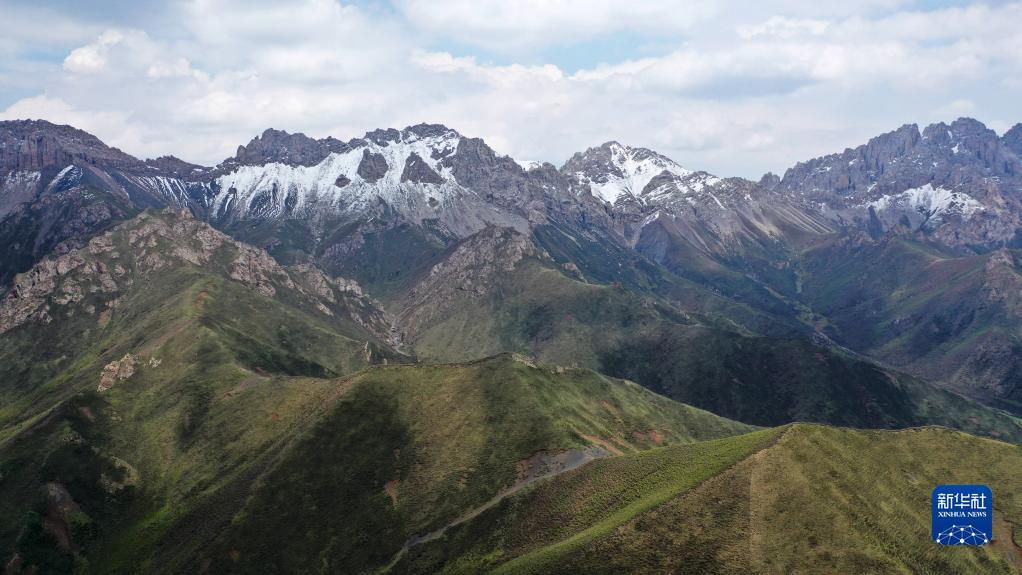
Scenery of Shimengou in Tianzhu Tibetan Autonomous County, Wuwei City, Gansu Province (photo taken on June 5, 2022, photo of drone). It is located in an important water conservation and recharge area in Qilian Mountain ecosystem. Xinhua News Agency reporter Chen Bin photo
Qilian Mountain is an important ecological security barrier in western China, which was once developed in disorder, resulting in broken frozen soil, sparse vegetation and local ecological damage. In July 2017, the Central Office and the State Council informed the ecological environment of the Qilian Mountain National Nature Reserve in Gansu Province, and hundreds of people were held accountable.
From a painful experience, Gansu is determined to pay close attention to rectification with a "broken wrist". Today, the ecological protection of Qilian Mountain has achieved great results from chaos to governance.
Since the 18th National Congress of the Communist Party of China, the General Secretary of the Supreme Leader has repeatedly given important instructions on issues such as cutting mountains and building cities in Yan ‘an, Shaanxi Province, illegal construction in the lakeside area of Qiandao Lake in Hangzhou, Zhejiang Province, Tengger Desert pollution, and illegal short enclosure of Xiasai Lake in Dongting Lake area, demanding serious investigation and punishment, and never letting go until it is completely solved.
Adhere to problem-oriented, expose typical cases, and be accurate and effective in accountability … … The central eco-environmental protection inspector dares to be real, not afraid of offending people, and does not relax when biting the problem, which has become a hard move to promote the implementation of the responsibility of ecological environmental protection.
Under the guidance of the supreme leader’s ecological civilization thought, the Party has made all-round efforts in terms of ideology, law, system, organization and style, strengthened ecological environment protection in all directions, all regions and the whole process, more consciously promoted green development, circular development and low-carbon development, and adhered to the civilized development path of production development, affluent life and good ecology.
Strive to build the modernization of harmonious coexistence between man and nature
The General Secretary of the Supreme Leader pointed out: "China’s socialist modernization has many important characteristics, one of which is that China’s modernization is the modernization of harmonious coexistence between man and nature, and it pays attention to simultaneously promoting the construction of material civilization and ecological civilization."
In Hainan, about one-seventh of the land area is enclosed in the tropical rain forest national park reserve, farmers in the mountains move out, small hydropower stations are retired, and electronic fences are erected.
At the beginning of this year, good news came: Hainan gibbon, the "spirit" of the rainforest, added another baby ape. The population of this endangered species has recovered from less than 10 to 36 in 5 groups.
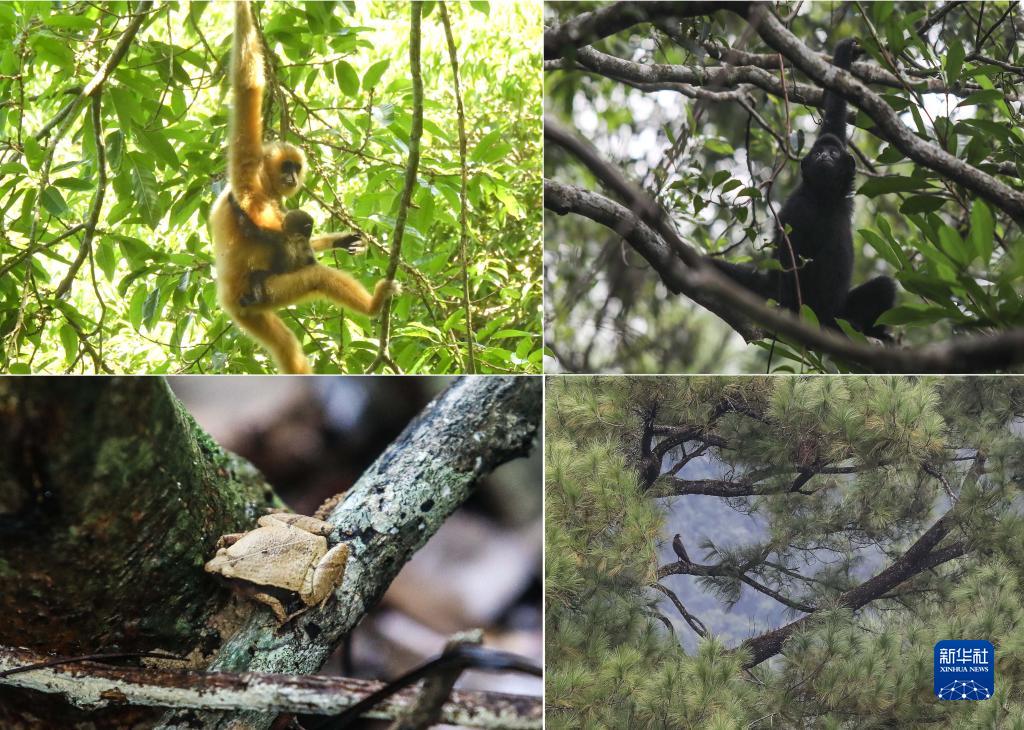
Imposition photo: The picture on the upper left shows the young apes of Hainan gibbon group B photographed in May 2021 (courtesy of Hainan Tropical Rainforest National Park Administration); The picture on the upper right shows the Hainan gibbon photographed in Bawangling Nature Reserve of Hainan Tropical Rainforest National Park System Pilot Area (photo taken by Xinhua News Agency reporter Pu Xiaoxu on October 25, 2019); The picture on the left shows the frog in Bawangling Nature Reserve (photo taken by Xinhua News Agency reporter Pu Xiaoxu on October 26, 2019); The picture on the right shows the snake sculpture taken in Bawangling Nature Reserve (photo taken by Xinhua News Agency reporter Pu Xiaoxu on October 26, 2019). Xinhua news agency
In the Wuzhishan area of the National Park, Maona Village, deep in the mountains, does not cut down trees or occupy fields, and vigorously develops rural tourism and tea characteristic industries. Villager Wang Qiongxiang said that her tea garden has an annual income of more than 100,000 yuan, and every household in Maona Village grows tea to get rid of poverty and become rich.
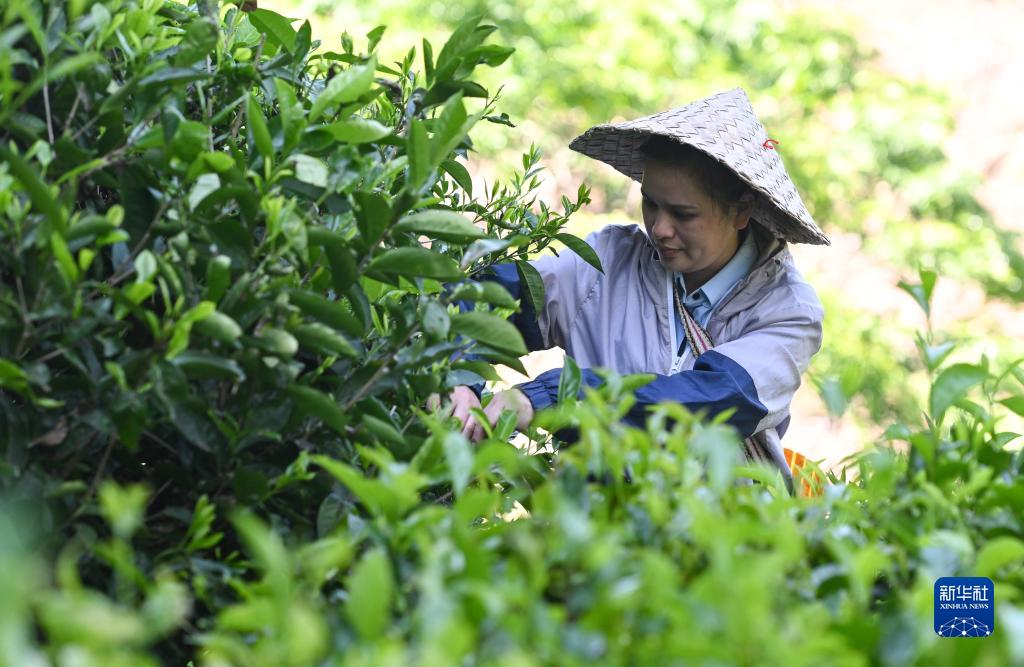
Tea farmers in Maona Village, Shuiman Township, Wuzhishan City, Hainan Province picked tea in the tea garden (photo taken on April 10, 2022). Xinhua News Agency reporter Yang Guanyu photo
People live up to the castle peak, and the castle peak will live up to people.
Since the 18th National Congress of the Communist Party of China, the leadership of the CPC Central Committee with the Supreme Leader as the core has carried out a series of fundamental, pioneering and long-term work — —
Promote the delineation and strict adherence to the red line of ecological protection, the bottom line of environmental quality, and the online utilization of resources, forming a rigid constraint on ecological environmental protection. By the end of 2021, the country had divided more than 40,000 eco-environmental control units, and basically established a regional coverage, cross-departmental coordination and multi-factor comprehensive eco-environmental zoning control system.
A series of major ecological projects, such as shelterbelts in the Three North Areas, natural forest protection and returning farmland to forests and grasslands, have been further promoted, and China has become the country with the largest increase in forest resources in the world.
The establishment of a nature reserve system with national parks as the main body has been accelerated, and the first batch of national parks such as Sanjiangyuan, Giant Panda, Northeast Tiger Leopard, Hainan Tropical Rainforest and Wuyishan have been set up, and the construction of national botanical gardens such as Beijing and Guangzhou has been started to jointly promote the formation of a relatively complete biodiversity protection system … …

In Lena Village, Zhalinghu Township, maduo county, Golog Tibetan Autonomous Prefecture, Qinghai Province, the ecological manager of the Yellow River Source Park of Sanjiangyuan National Park is on patrol (photo taken on October 20, 2021, photo of drone). Xinhua News Agency reporter Zhang Long photo
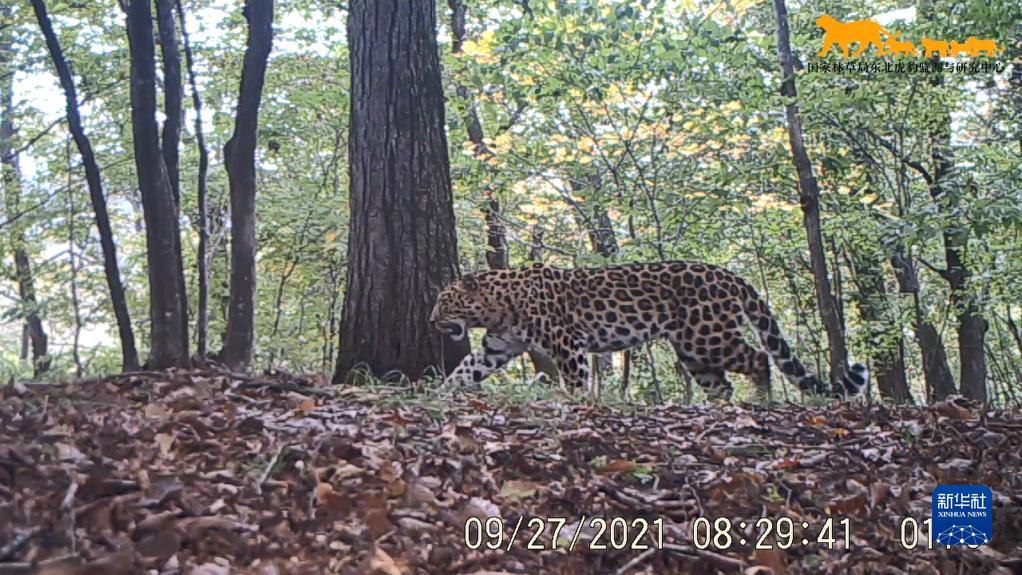
This is a wild Northeast Leopard image (video screenshot) monitored in the Northeast Tiger and Leopard National Park on September 27, 2021 by using the "Integrated Monitoring System of Heaven, Earth and Air". Xinhua news agency
A series of institutional measures have effectively escorted and painted a beautiful picture of harmonious coexistence between man and nature.
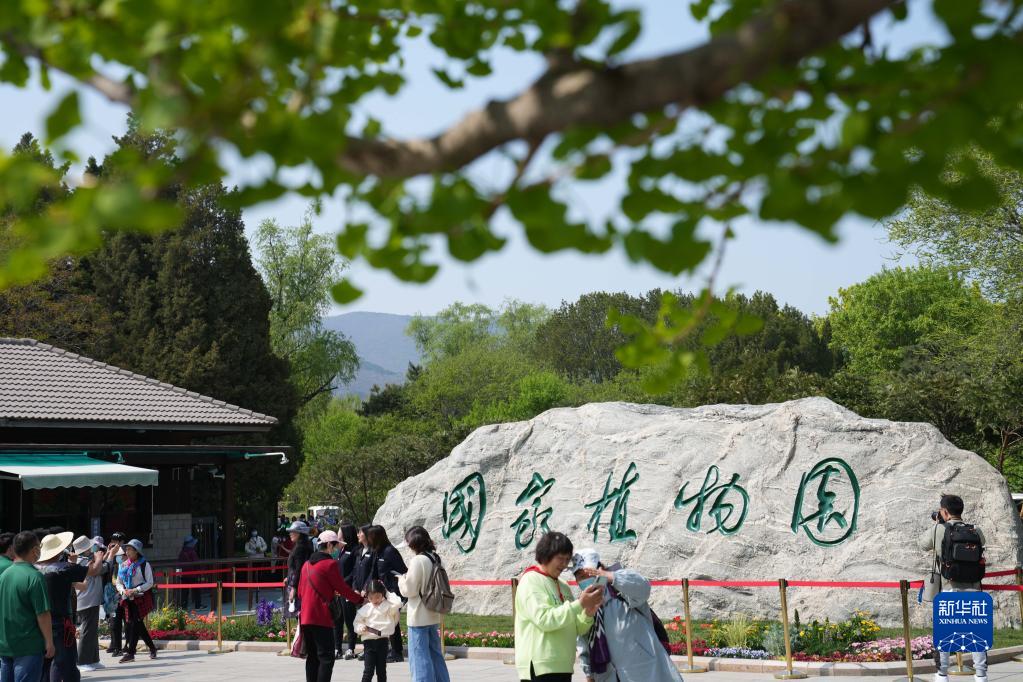
Tourists visit the entrance of the National Botanical Garden in Beijing (photo taken on April 18, 2022). Xinhua News Agency reporter Yan Huanzong photo
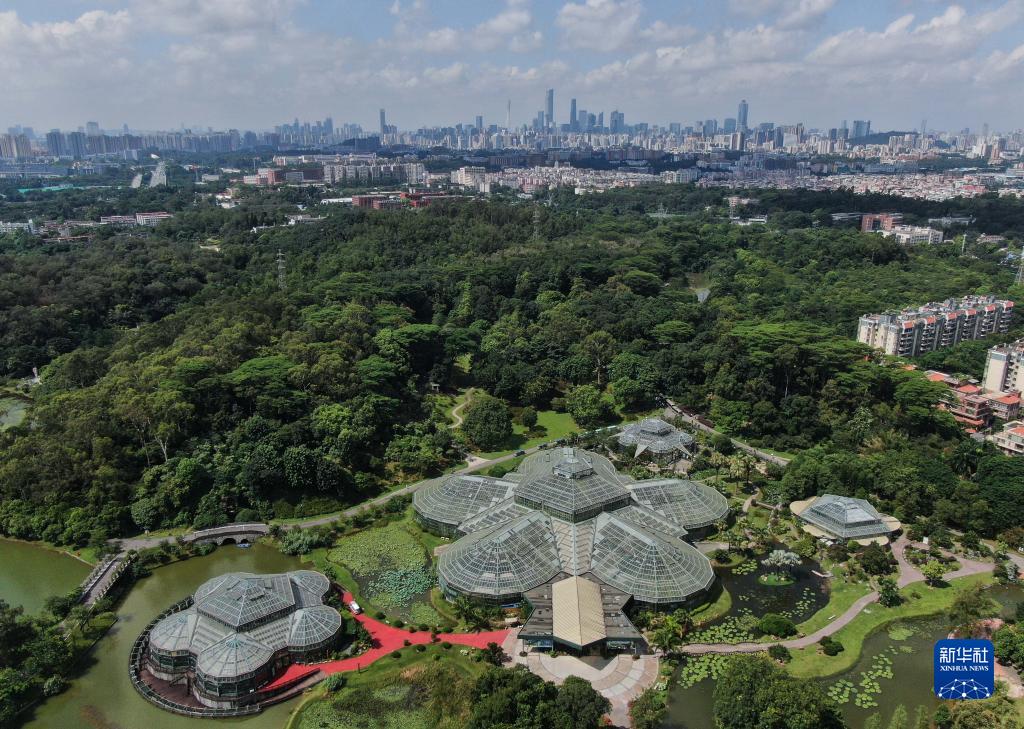
This is the South China National Botanical Garden (photo of drone) taken on July 11th, 2022. Xinhua News Agency reporter Deng Hua photo
Coping with climate change is a common challenge for all mankind.
Under the guidance of the CPC Central Committee with the Supreme Leader as the core, China has become an important participant, contributor and leader in the global ecological civilization construction.
This is China’s solemn declaration: enhance the national independent contribution, adopt more powerful policies and measures, strive to reach the peak of carbon dioxide emissions by 2030, and strive to achieve carbon neutrality by 2060.
If you don’t take refuge, you will do it for a long time. China has incorporated peak carbon dioxide emissions and carbon neutrality into the overall layout of ecological civilization construction, and successively issued the "1+N" policy under the goal of "double carbon", accelerating the development of new energy sources such as wind power and photovoltaic, and striving to promote green and low-carbon production and lifestyle has become the conscious pursuit of the whole society.
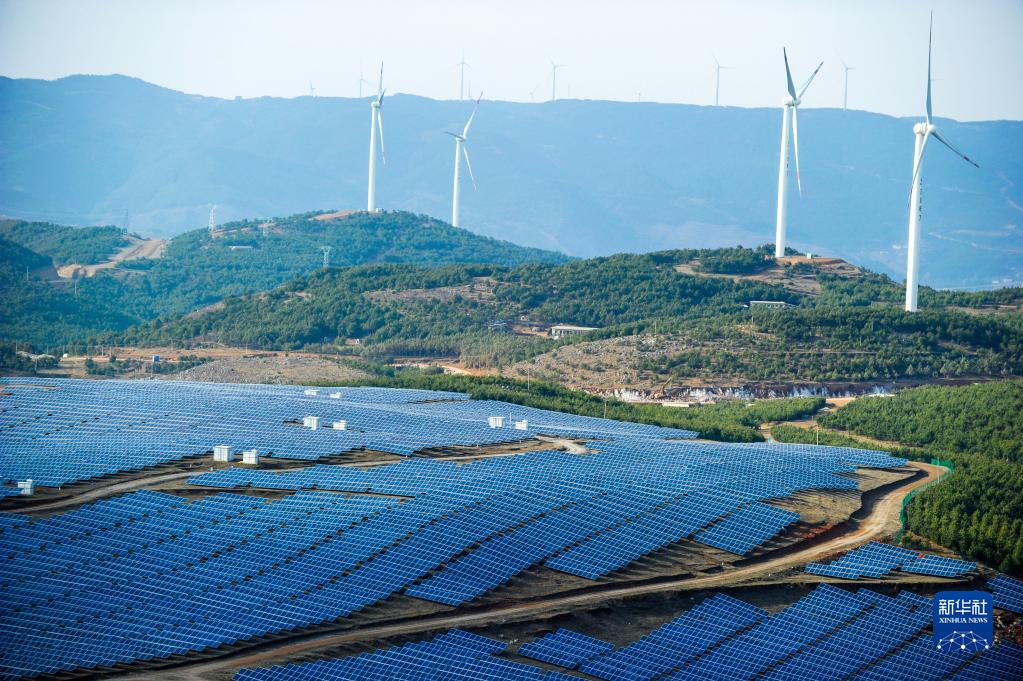
This is Pingqing Photovoltaic Power Station and Dahaizi Wind Farm in Weining County, Guizhou Province (photo taken on March 13, 2018). Xinhua News Agency reporter Yang Wenbin photo
Voluntary tree planting by the whole people is flourishing, and volunteers for wildlife protection are all over the mountains. Saving food and sorting garbage have become a new fashion … … More and more people are guarding the beautiful China with practical actions.
On the new journey, under the strong leadership of the CPC Central Committee with the Supreme Leader as the core, hundreds of millions of people will maintain their strategic determination to build an ecological civilization, persevere and make continuous efforts, and will surely gather more majestic forces and leave a clean and beautiful home for future generations.
Poster design: Zhao Danyang





 △ Gray seal in the movie "Rainbow Shining"