CCTV News:There is a saying called "Man proposes, God disposes", which is actually very appropriate to describe the Winter Olympics. But this day, refers to the weather. Compared with the Summer Olympic Games, the winter Olympic events are more influenced by meteorological conditions. Wind speed, wind power, temperature and visibility all directly affect the performance of athletes. In order to meet the relevant competition conditions, what strict requirements does the IOC have in the selection of the host city? Besides accurate meteorological services, what other secret weapons do meteorological departments have? Today, our winter Olympics "cold" knowledge commentator — — The ice pier and the melting snow will reveal the relationship between "Winter Olympics and meteorology".

Almost all the 19 cities hosting the Winter Olympics, including Beijing and Zhangjiakou, are located in the middle and high latitudes of the northern hemisphere.
Does location determine temperament? We are talking about climate characteristics! The IOC has its own principles and strict requirements in the choice of the host city.
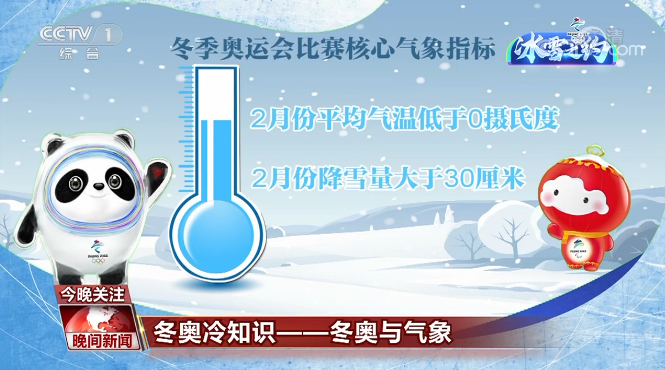
There are two core meteorological indicators for the Winter Olympic Games. One is that the average temperature in February is below 0 degrees Celsius, and the other is that the snowfall in February is more than 30 centimeters.
Cities whose probability of either index is less than 75% have no right to apply for hosting the Winter Olympics.
Many European countries covered and radiated by the Alps have produced one third of the world’s winter Olympic gold medals in this century; The Scandinavian mountains in northern Europe contributed 17% of the gold medals in the Winter Olympics in the world.
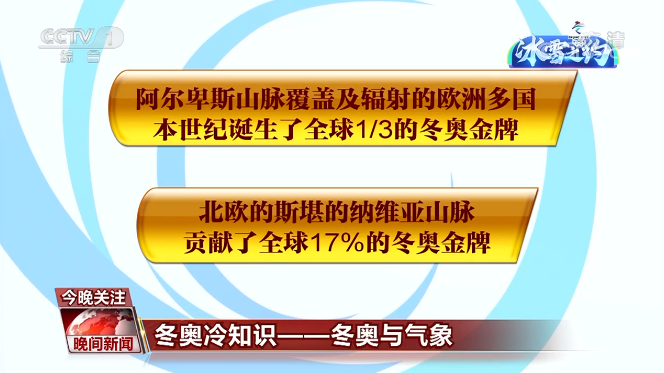
The two mountains have joined forces to make Europe the undisputed overlord of the Winter Olympics.
But there is no accident, it is not the earth, and the warm winter with the temperature of "off the charts" has also "raided" the Winter Olympics.
During the Winter Olympics in Sochi in 2014, the highest temperature once reached 20 degrees Celsius, setting a historical record. The local average temperature in February was only 8.3 degrees Celsius.
The competition must continue, and there are emergency measures, such as weather modification and artificial snow addition.
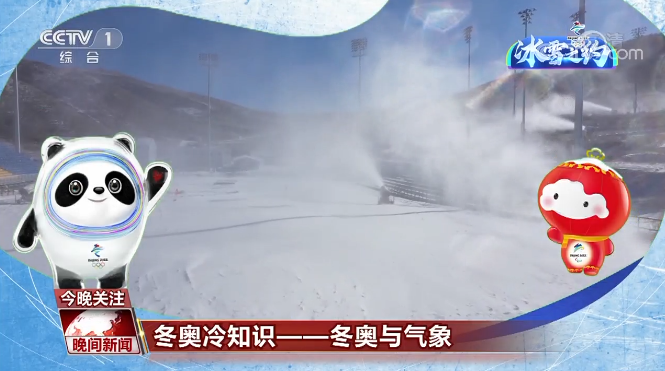
During the competition, the ski resort will predict the best time to make snow according to the climate forecast and weather forecast, and carry out snow making and cleaning work on the track.
Skiing field is often located in the mountains, far away from the city and facing the cold, which is one of the most demanding events in sports.
As far as the temperature is concerned, MINUS 12 degrees Celsius to 2 degrees Celsius is the most suitable. If the temperature is too high, the snow will become soft and the friction will increase; If the temperature is too low, the snow will harden; Competitors not only have an increased rate of action mistakes, but also are prone to injuries.
In addition to temperature, wind speed and visibility also directly affect athletes’ technical performance. The wind power is not more than 2 to 3, which is the most suitable; Visibility greater than 2 km is the best.
Different skiing events have different requirements for meteorological conditions.
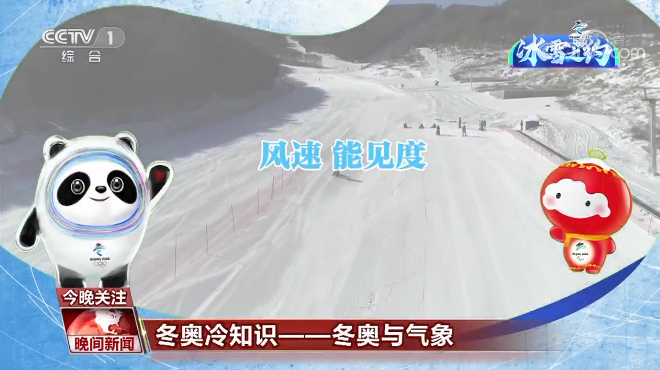
Specifically, in alpine skiing competition, headwinds and crosswinds will have an impact on athletes’ performance and safety.
Ma Weina, technical officer of alpine skiing in Beijing Winter Olympics: When the wind is too strong, it may directly lead to the temporary cancellation of alpine skiing. Because the top speed of alpine skiing athletes can reach 150 kilometers per hour during the competition. When the wind resistance is too large, the body needs more strength to resist the wind resistance when doing technical movements, which will make athletes break the sliding balance and be prone to accidents. Secondly, it will also affect the stability of athletes’ technical movements. That is, when landing from the air, there will be a deviation of landing point, which may lead to instability, loss of balance and even falling down.
Snow, rain and strong wind will directly affect the control of the race track when snowmobiles compete with steel snowmobiles and sledges.
Once the temperature drops below MINUS 20 degrees Celsius, freestyle skiing and snowboarding competitions can be postponed.
Ice events are arranged indoors, but there are strict requirements for the weather conditions such as ice temperature, indoor air temperature, humidity and atmospheric pressure.
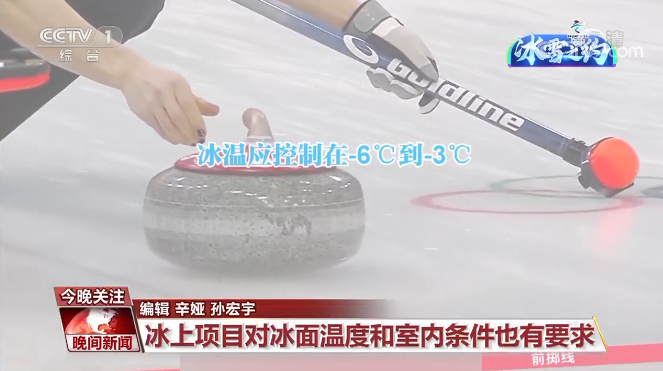
Take curling, which requires the highest quality of ice, as an example, the ice temperature will directly affect the performance of athletes. The ice temperature should be controlled at minus 6 degrees Celsius to minus 3 degrees Celsius.
The temperature probe is placed 0.3 cm below the ice, and the measured ice temperature is the closest to the actual ice temperature.
Meteorological service is an important guarantee for the smooth progress of the Winter Olympics. In addition to accurate meteorological services, it is also very important to judge the weather before the game.
Technically, the Beijing Winter Olympics will realize the "100-meter class and minute class" accurate forecasting ability.
There are also 52 people in the winter Olympics meteorological service class to fully guarantee. It is believed that the meteorological service system will be able to deliver satisfactory answers and help the Beijing Winter Olympics to offer a wonderful and safe performance for ice and snow lovers all over the world.