
The writer of this article is @ A Dai of Xiaowan family.
The ugly idolize dog is here.
In 2019, Korean director Bong Joon ho swept the world’s major film festivals with his new work Parasites. A year later, at the Oscar ceremony, the film ushered in a highlight moment:
"Parasite" won four awards at the 92nd Academy Awards, namely, best film, best director, best international film and best original screenplay.
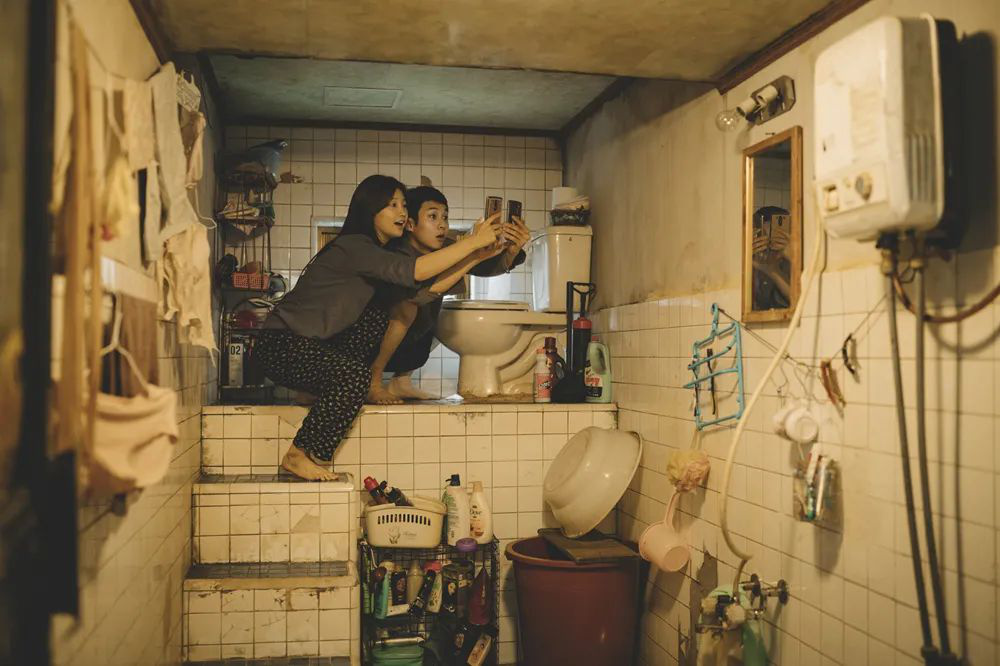
Together with Korean films, Bong Joon ho has once again become the focus of the global film industry.
Then, at the 93rd Academy Awards earlier this year, Korean actress Yin Ruzhen won the Best Supporting Actress Award for her film Minari.

It’s the end of the year in a blink of an eye, so can Korean films and filmmakers continue this brilliant achievement at next year’s Oscar?
That depends on how strong Escape from Mogadishu, the representative of the Olympic Games chosen by the Korea Film Promotion Committee, is.
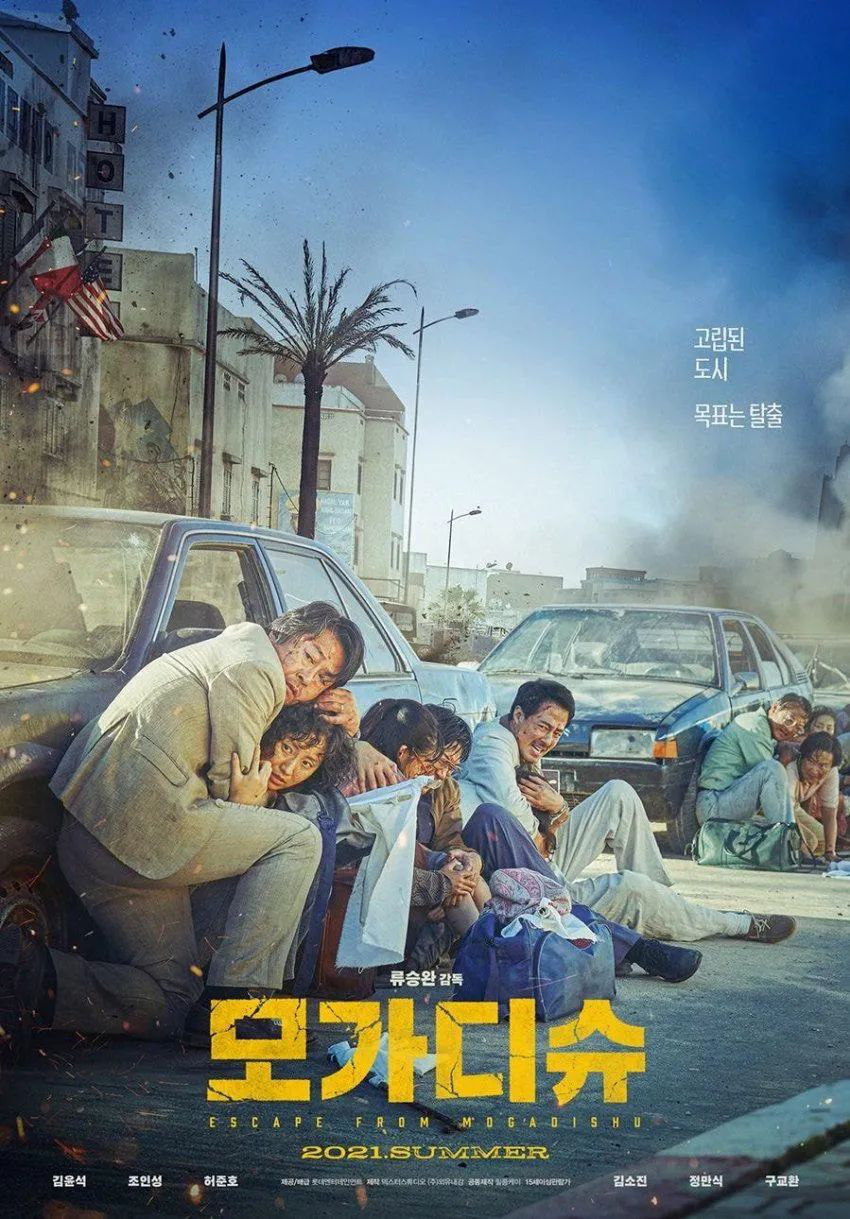
Like Parasites, Escape from Mogadishu received a lot of attention before he entered the Oscar.
The former is the N-degree cooperation between Bong Joon ho and the national film emperor Song Kanghao, and the fans expect natural blessings;
The latter was directed by Seung-wan Ryoo, the director of Veteran and Warship Island, and cooperated with Jin Yunshi, the double-actor, and Zo In Sung, the frozen-aged male god, which also marked Zo In Sung’s return to the big screen after four years.
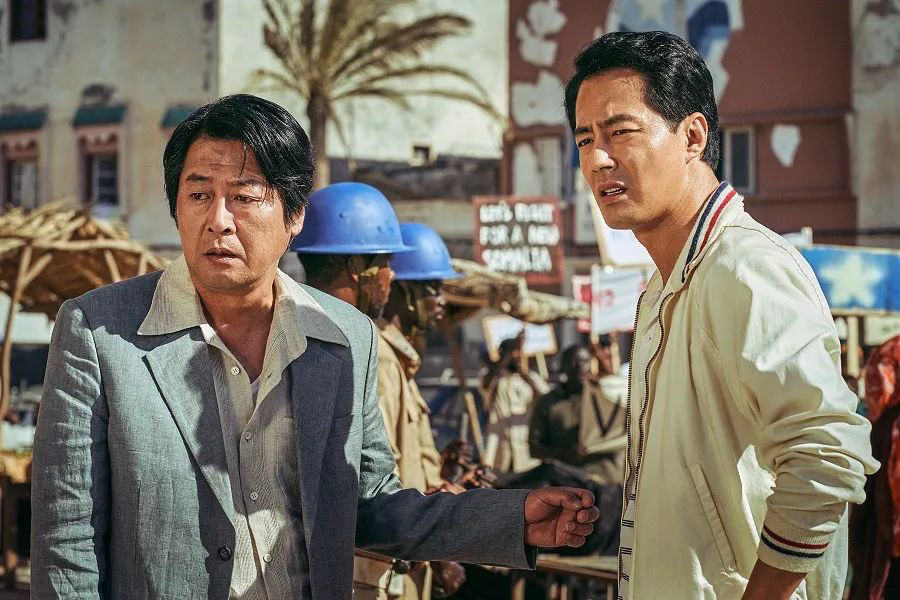
In addition, Escape from Mogadishu is the highest-invested local film among Korean new films released this year.
The production cost of this film is as high as 20 billion won (about 110 million RMB). What is the concept? Recently, the squid game, which is popular all over the world, has always invested 20 billion won in this 9-episode drama by Netflix.
Unlike "Parasites", which was a blockbuster at Cannes Film Festival, Escape from Mogadishu’s first step began with the Korean release.
On July 28th, Escape from Mogadishu was released in South Korea on the same day as Disney’s new film "Adventure in the Jungle", and quickly beat Disney and DC’s new films to top the weekend box office.
One week after its release, the film broke through the million-person-watching mark, becoming the first local film in South Korea to break through one million in 2021-at that time, the epidemic situation in South Korea was repeated, and Seoul once again issued the most stringent epidemic prevention requirements.
As of today, Escape from Mogadishu has won the annual box office of Korean movies with 3.6 million movie-goers.

The number of people watching movies by Escape from Mogadishu team exceeded 3.5 million.
What attracts Korean audiences in Escape from Mogadishu is the luxury card, and it is also a topic that resonates with Korean national sentiment.
Escape from Mogadishu’s story was born out of the real experience in Korean diplomatic history;
In the 1990s, South Korean diplomats launched active diplomatic activities in Somalia, Africa, hoping to join the United Nations with the support of Somalia, which naturally blocked North Korean diplomats.
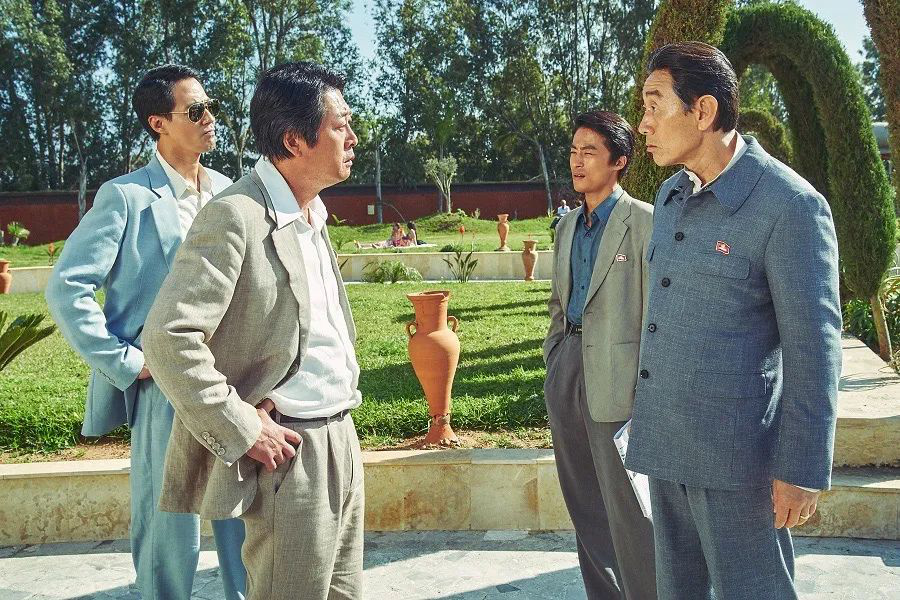
Diplomatic confrontation between the DPRK and the ROK
The two sides are in full swing, and the civil war in Somalia suddenly broke out, and the embassy staff of both countries lost contact with their own countries and fell into an isolated situation.
As the war became more and more fierce, North Korean officials and South Korean officials who hated each other had no choice but to join hands to save themselves and try to escape from Mogadishu, the Somali capital …
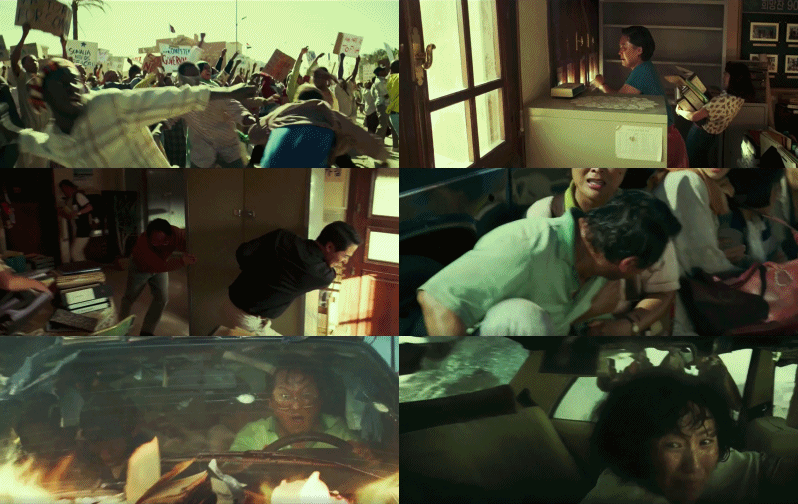
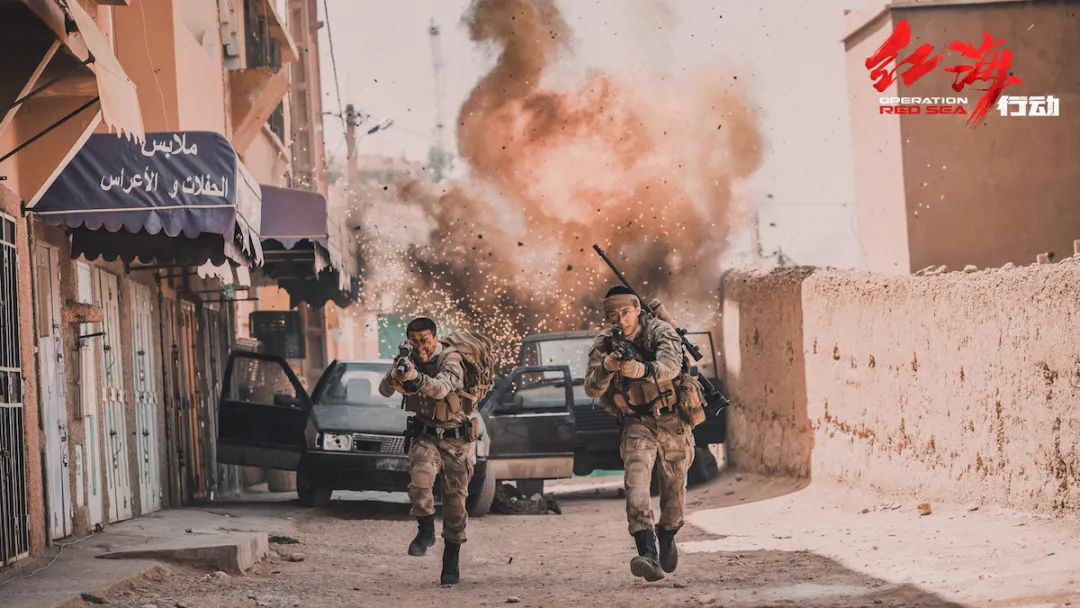
This simple story description may remind us of many similar excellent films:
Black Hawk Down (8.7 points), which is also based on the Somali civil war, Escape from Teheran (8.3 points), and Operation Red Sea (8.3 points), which is adapted from Yemen’s evacuation operation.
Escape from Mogadishu focuses on his own local story. The confrontation between North Korea and South Korea for more than half a century has long provided inexhaustible materials and emotional sources for Korean films.
From this point of view, director Seung-wan Ryoo is more like shooting a "Special Agent" with a more intense scene and a more grand perspective.
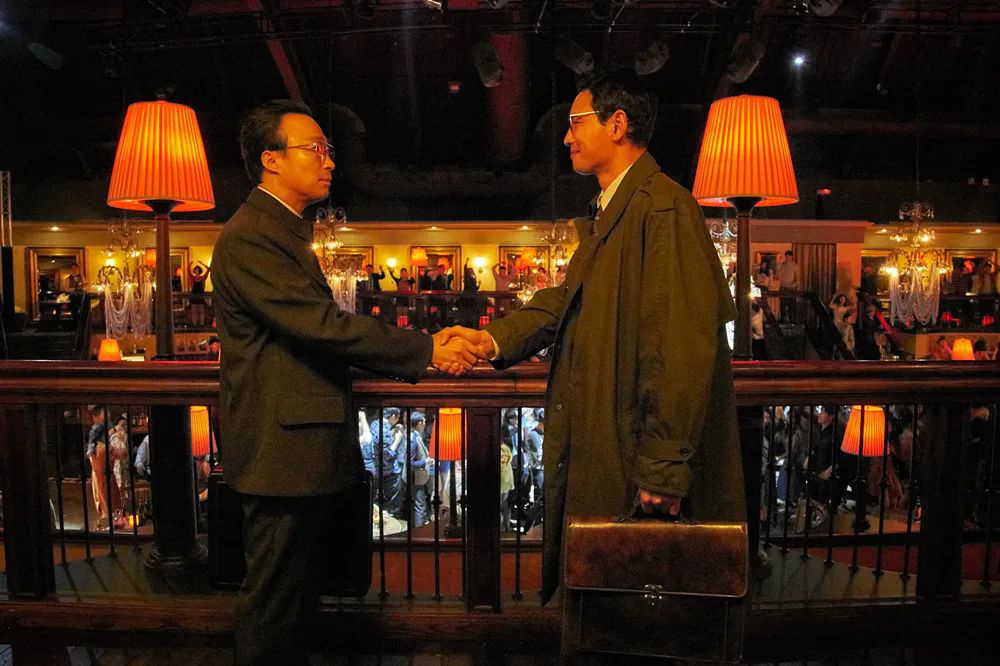
Stills of "Agent"
One of Escape from Mogadishu’s most brilliant settings is to put the Somali civil war and the ideological struggle between the DPRK and the ROK in the same time and space.
The former is riddled with bullets and corpses, while the latter is intrigued and treacherous, moving quietly, one bright and one dark, in which the evil of war is revealed.
We often say that the core of a good war movie is anti-war, and Escape from Mogadishu’s anti-war sentiment is more comprehensive and delicate in this movement and silence, which can make the audience feel the same in peacetime.
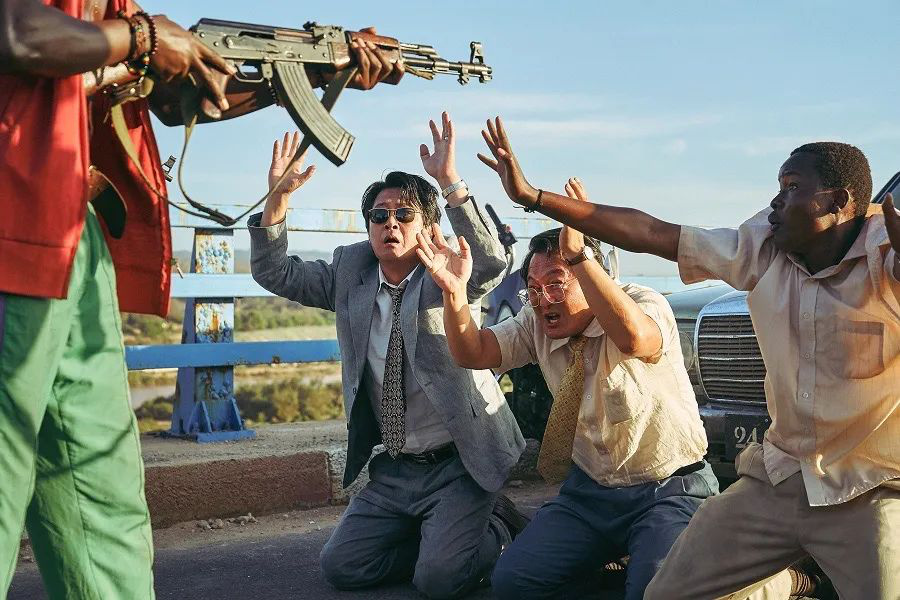
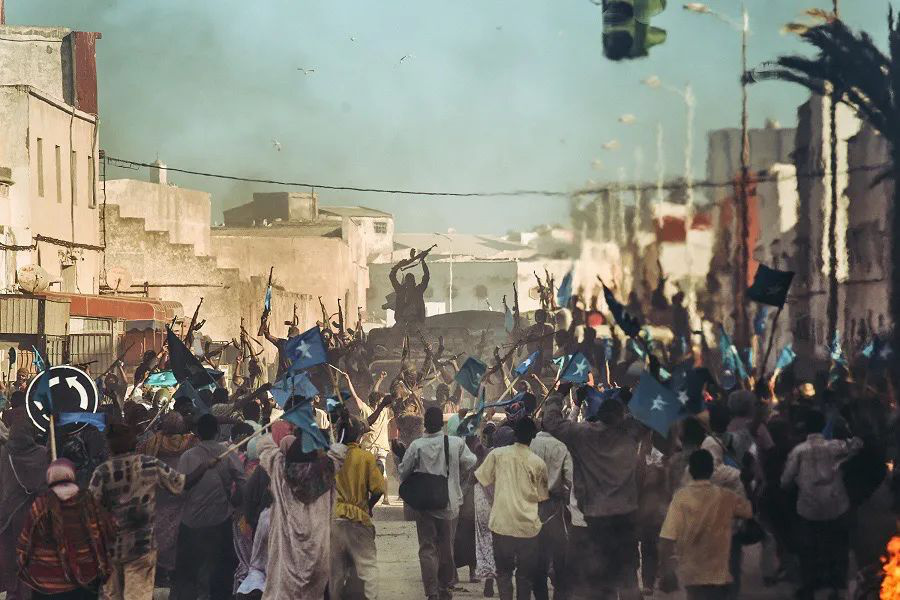
Escape from Mogadishu used an intuitive and powerful perspective to present the Somali civil war.
At first, it was the people in Mogadishu who stood up against oppression, but they were more brutally oppressed by the armed forces of the authorities:
The local youth who drove for the South Korean ambassador to Somalia, Han Xinsheng (Jin Yunshi), opposed tyranny and was killed by the police. A tear fell from the corner of his eye in a pool of blood, which was the most ordinary youth’s silent accusation of war.

When the rebels entered the city, the people in the city suffered indiscriminate slaughter from both the authorities and the rebels:
Gunfire rang in every street and lane day and night, and there were not only bodies lying on the road, but also desperate adults with young children waiting for death.
And those children in the rebel army who laughed while carrying machine guns indiscriminately were creepy.

From the perspective of civil war in Somalia, people’s complaints about war are made through blood and tears, death and despair.
Against the background of bullets, the struggle between North Korea and South Korea was silently interpreted by the staff of the two embassies.
Being Korean compatriots, just because of ideological opposition, North Korean diplomats will hesitate to "ask for it" and South Korean diplomats will hesitate to "save it".
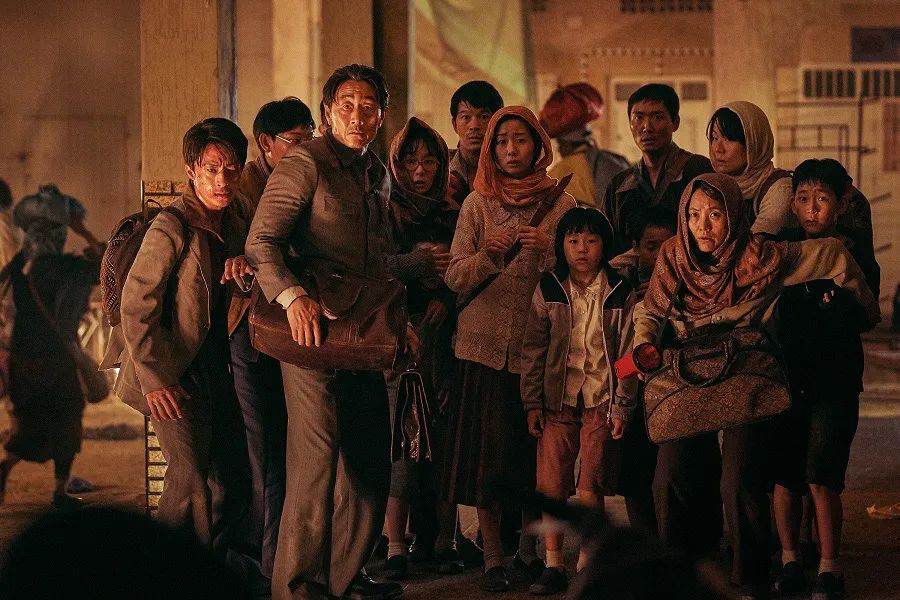
Life is wrapped in dignity and politics.
When the personnel of both sides finally coexist in the same room, the bullets outside the door are not even as nervous as the mutual vigilance inside the house.
The experience of working together to escape made the Korean and Korean people gradually put down their bad feelings and realized that not every "opposite person" came with malice, and that the so-called belief and so-called belonging could not save people at the critical moment.
The only goal of "being alive" transcends ideological struggle, transcends political differences, and unites everyone.
If Escape from Mogadishu’s story ends here, it’s just a regular commercial genre film with two wars as the gimmick.
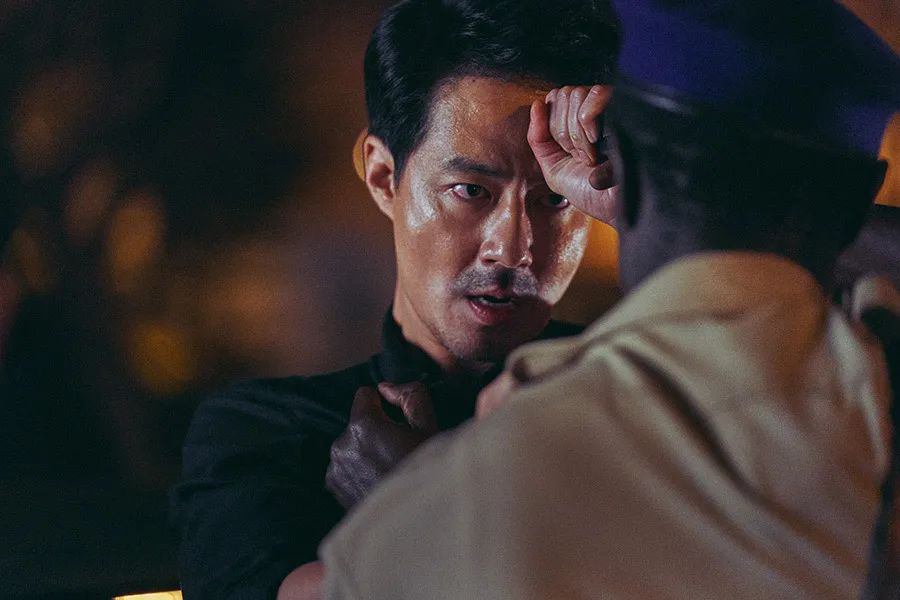
At the end of the film, the trapped people of the DPRK and the ROK successfully arrived in Kenya on an Italian rescue flight. They were in tears and hugged and congratulated each other.
However, when the plane landed, North Korea and South Korea were waiting in different camps outside the porthole, and the atmosphere of the whole apron was almost tense.

So the diplomats who had experienced the bullets together had to get off the plane in batches, and each said, "When you get off the plane, pretend you don’t know each other."
Like a bloody and violent war, a tense diplomatic war brings about disintegration.

Not long ago, the Korea Film Promotion Committee decided to send Escape from Mogadishu to compete for the Oscar, saying that "this is a film that can represent Korean films".
Indeed, Escape from Mogadishu’s fierce action scenes and high-level special effects are enough to prove the high industrialization and maturity of Korean films;
Connecting the whole story with the dual clues of the Korean-Korean struggle and the Somali civil war can also prove that Korean films are handy in script and scheduling.
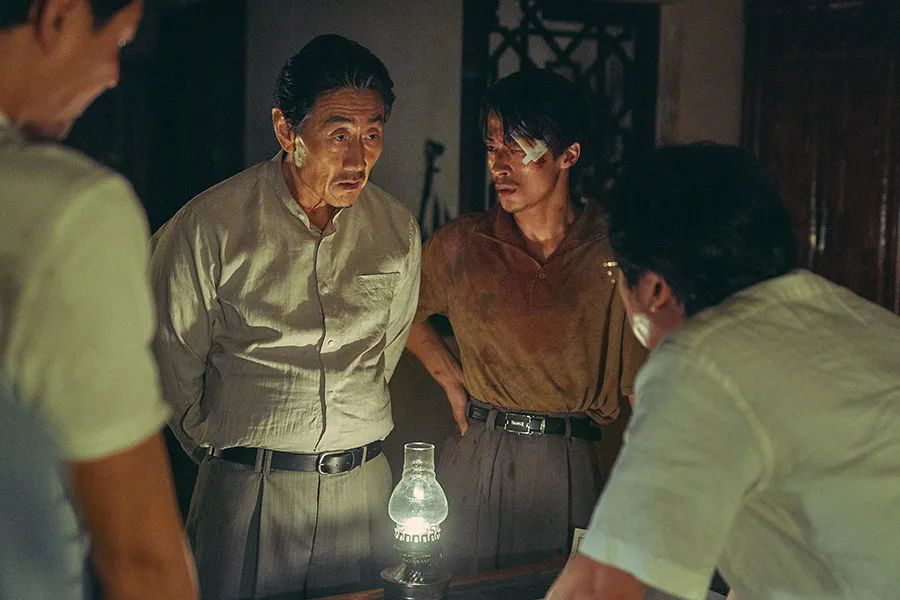
South Korean audiences took Escape from Mogadishu as the annual box office champion one by one with practical actions, and scored 9 points+on the local rating website. Perhaps it is because this film is conveying the real filmmakers and the Korean people’s voices in a hot and calm way?
What we need is such a reflective film.
Note: Some pictures in this article are from Douban and the Internet. If there is any infringement, please contact us actively.
A Dai’s previous articles
Click to read
Lee Kwang Soo’s first disaster film after leaving RM, overturned.
China’s books, which are tied with Harry Potter, have been put on the big screen.
After collecting six best actors, I burst into tears after watching them.