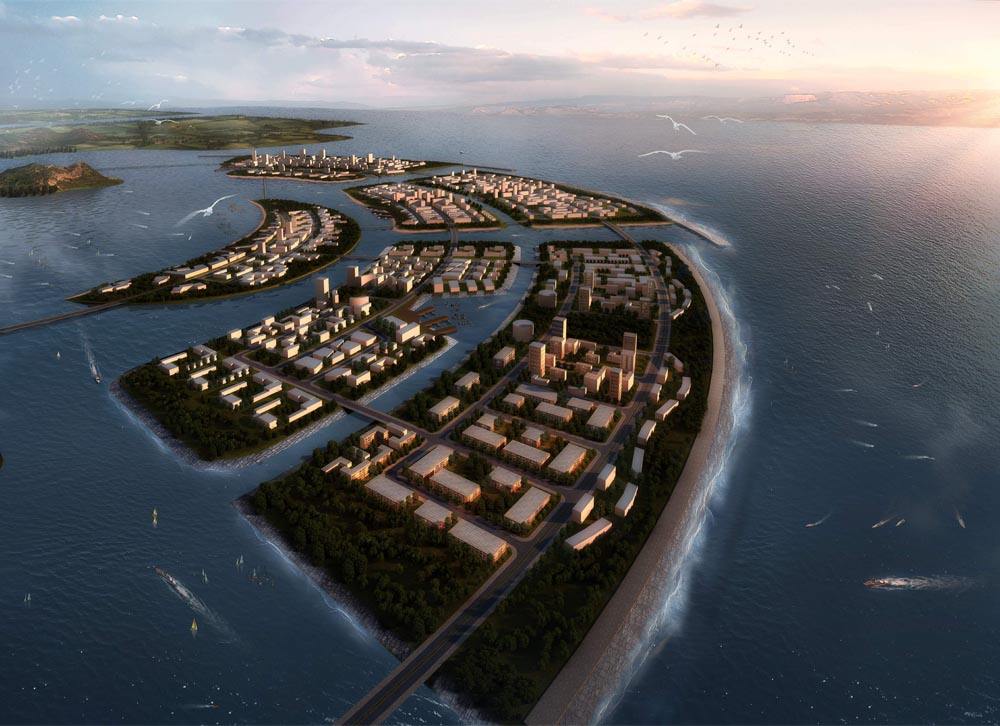
Since the beginning of this year, the State Oceanic Administration has taken various measures to increase the management and control of reclamation.
CCTV News:According to the Marine Supervision Plan approved by the State Council, from late August to late September, 2017, the State Oceanic Administration carried out special inspections focusing on reclamation in six provinces and regions, including Liaoning and Jiangsu.
The inspector group of the State Oceanic Administration gave feedback to Liaoning Province on the inspector’s opinions: the problems such as filling in without approval and decentralized approval were outstanding.
Yesterday (14th) morning, with the approval of the State Council, the Inspector Group of the State Oceanic Administration gave feedback to the Liaoning Provincial Government.
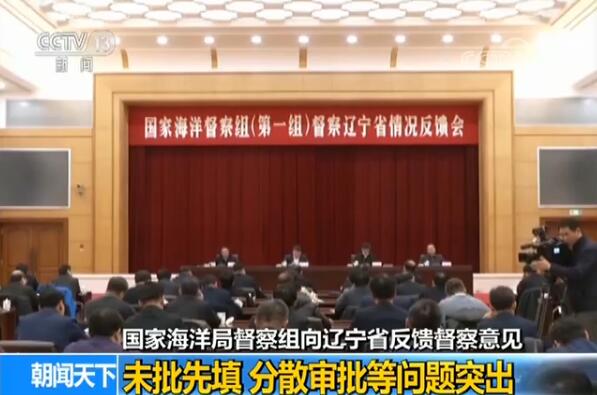
The main problems found by the Inspector Group of the State Oceanic Administration in Liaoning Province are:
First, the situation of filling in without approval is outstanding.
Second, the problem of dividing reclamation projects into parts and decentralized approval is outstanding.
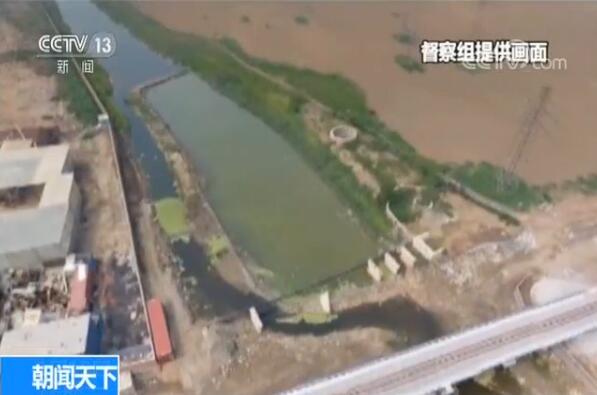
Third, there is a large number of vacant land around the sea. Among the 15,150 hectares of land reclamation verified, the vacant area is 9,441 hectares, accounting for 62% of the filled area.
Fourth, it is difficult for the regulatory authorities to stop, investigate and implement.
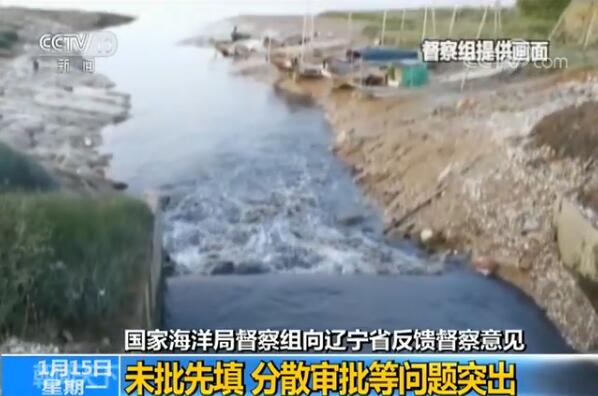
Fifth, some sewage outlets into the sea were examined and approved in violation of regulations, and the supervision was not strict. After investigation, 68 of the 211 sewage outlets into the sea provided by Liaoning Province failed to strictly fulfill the legal procedures for approval. Long-term supervision of some sewage outlets into the sea is not in place.
According to the requirements of "Marine Inspector Program", Liaoning provincial government should combine the opinions and suggestions put forward by the inspector group, study and formulate the rectification plan, submit it to the State Oceanic Administration within 30 working days, and submit the rectification situation within 6 months. The rectification plan and the implementation of rectification shall be disclosed to the public through major news media at all levels in a timely manner as required.
The inspector group of the State Oceanic Administration gave feedback to Jiangsu Province: the phenomenon of decentralized approval and unapproved construction is common.
On the morning of 14th, with the approval of the State Council, the third group of national marine inspectors gave feedback to the Jiangsu provincial government.
The main problems found by the Inspector Group of the State Oceanic Administration in Jiangsu Province are:
First, the power of examination and approval of reclamation projects was delegated in violation of regulations.
Second, individual projects are fragmented and decentralized for approval.
Third, the phenomenon of building without approval and building while approving is widespread.
Fourth, the prevention and control of pollution in coastal waters has not been promoted effectively, and the number of land-based sources of pollution into the sea is unclear. Land-based pollutants in Jiangsu Province account for more than 85% of the total marine pollutants. The water quality of the three national marine special reserves is worse than the first-class seawater quality, and it can’t meet the requirements of marine functional areas for a long time.
According to the requirements of "Marine Inspector Program", Jiangsu provincial government should combine the opinions and suggestions put forward by the inspector group, study and formulate the rectification program, submit it to the State Oceanic Administration within 30 working days, and submit the rectification situation within 6 months. The rectification plan and the implementation of the rectification will be made public to the public through major news media at all levels in accordance with the requirements of the Marine Supervision Plan.